This blog post is by docent and guest contributor Randy Hans.
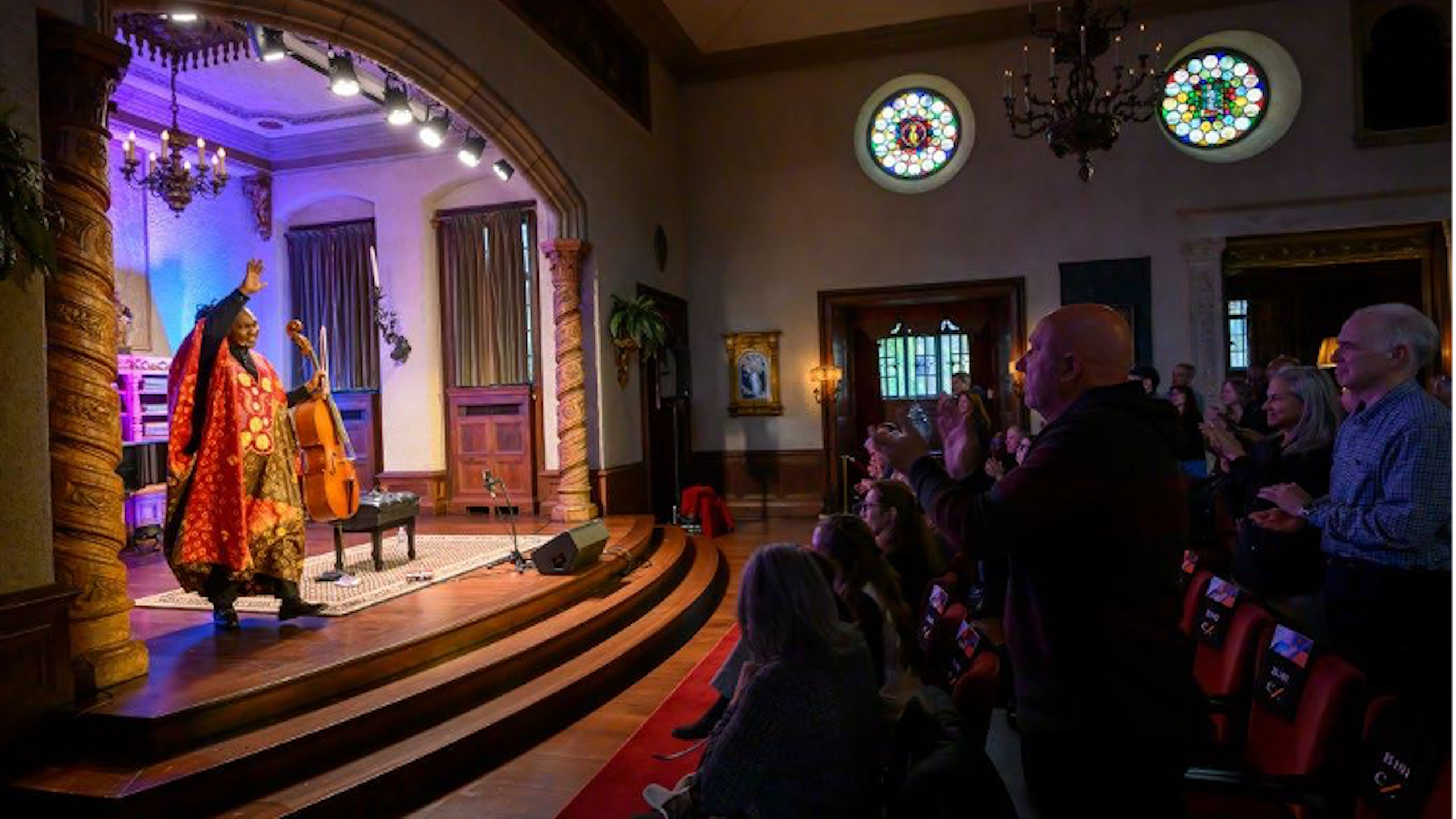
As a volunteer docent, I consider myself lucky to be able to learn about the beautiful art and objects in the collection at Caramoor. Among the many treasures that Walter Rosen placed in the Rosen House are the reddish-pink twisted columns that flank the Music Room stage. During the pandemic, in live-streamed and recorded performances, they came to identify Caramoor to music lovers around the world.
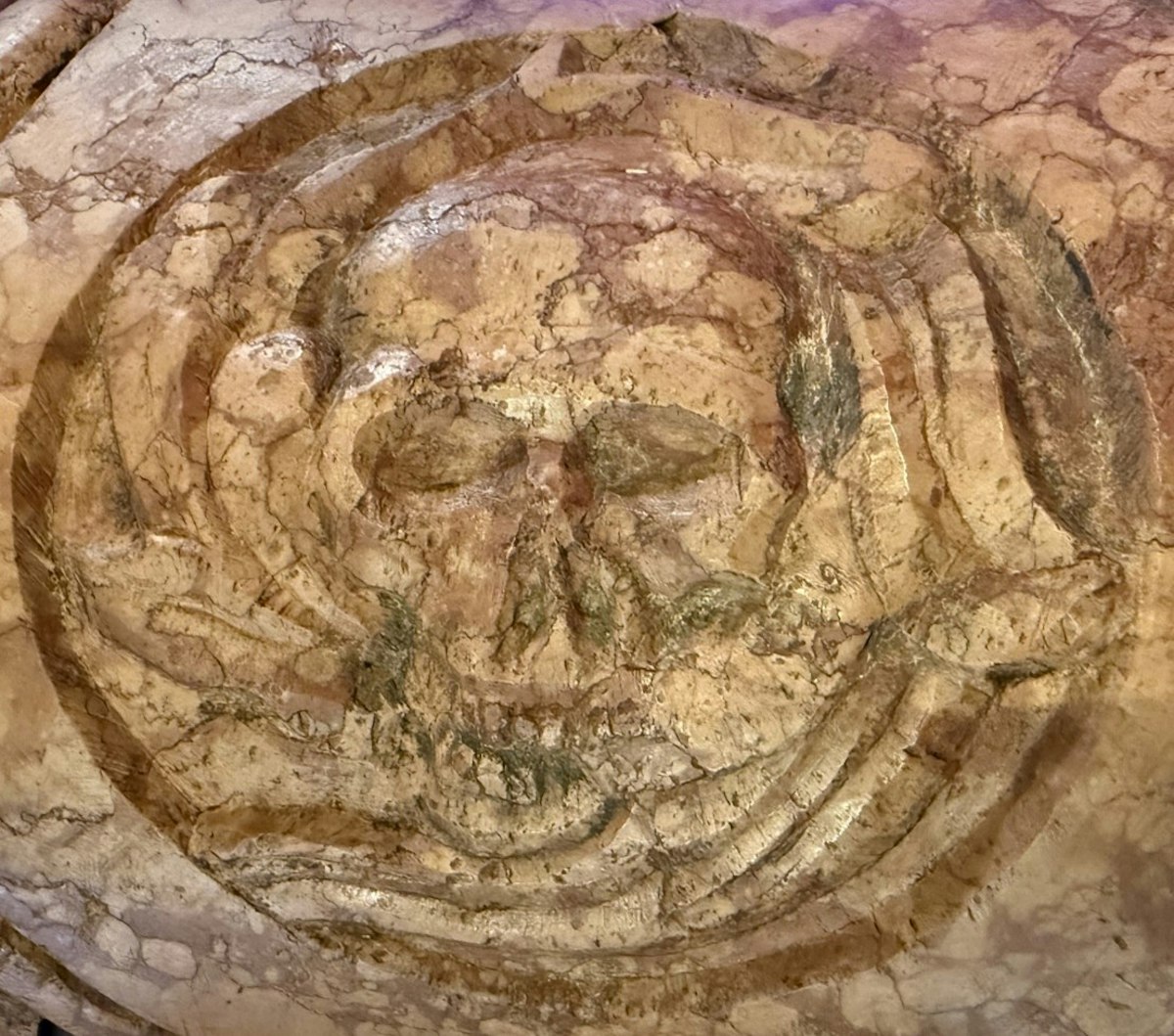
These non-load-bearing columns, dating from the late 15th-century, are made of red Verona marble, an ammonite-bearing, pink-red, nodular limestone occurring near the city of Verona in northern Italy. The twisted columns have six-sided Corinthian capitals and simple bases, and feature short oblong plaques, each carved with a different design, such as lobed leaves, vines, and acanthus, and various rosettes, including a pinwheel, poinsettia, bowknot, spiral, a Greek cross, and even a skull (shown below rotated 90 degrees.)

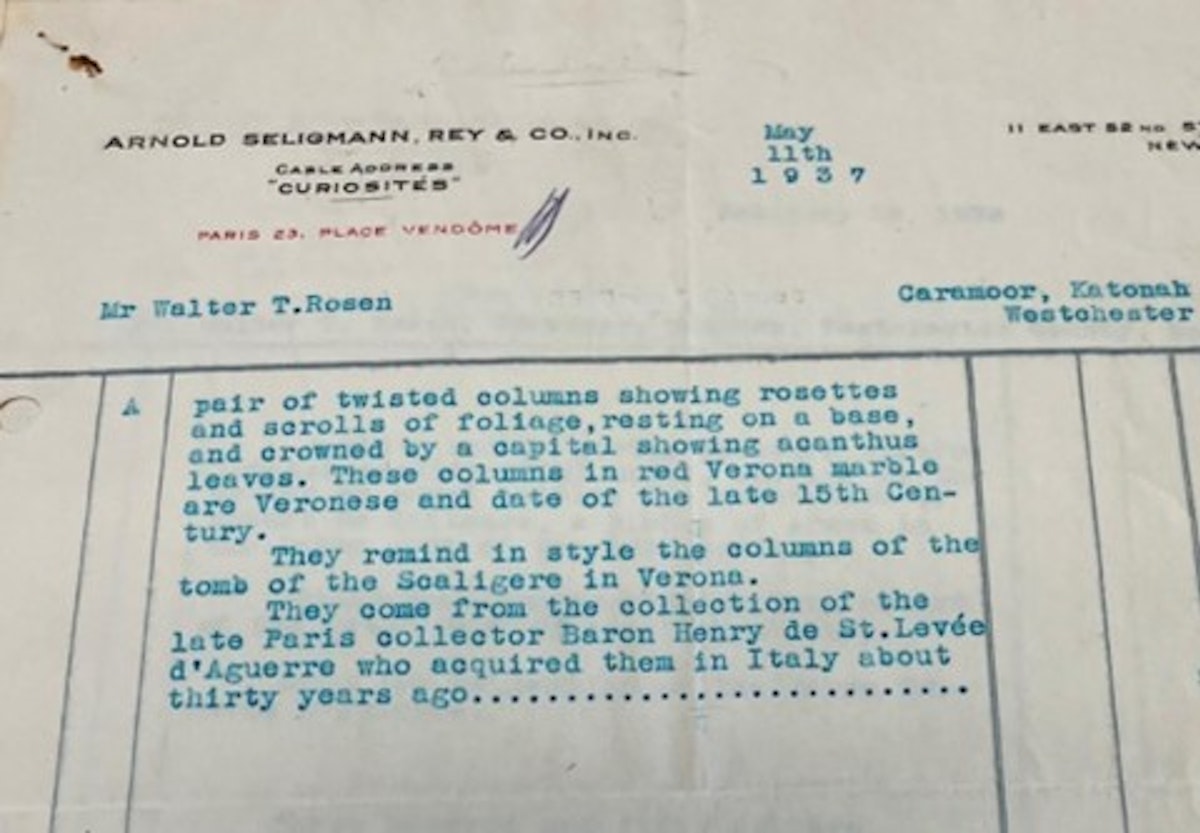
The columns were purchased from Arnold Seligmann, Rey & Co, a prominent multinational art and antiques dealer. In the extensive Rosen House archives, Jessa Krick, Director of Interpretation, Collection, and Archives, located the original invoice from May 11, 1937 (excerpt pictured below) which states the columns had been in the collection of Baron Henry-Francois de St. Levé d’Aquerre (1859-1931), a Parisian collector, who had acquired them in Italy some thirty years before. However, Walter Rosen – a meticulous record-keeper – identified these columns as acquired in 1941 and formerly in the collection of William Randolph Hearst (1863-1951), the publishing mogul, mining heir, and voracious art and antiques collector. We will continue to search for the source of this discrepancy in provenance.